 by Enqopa Properties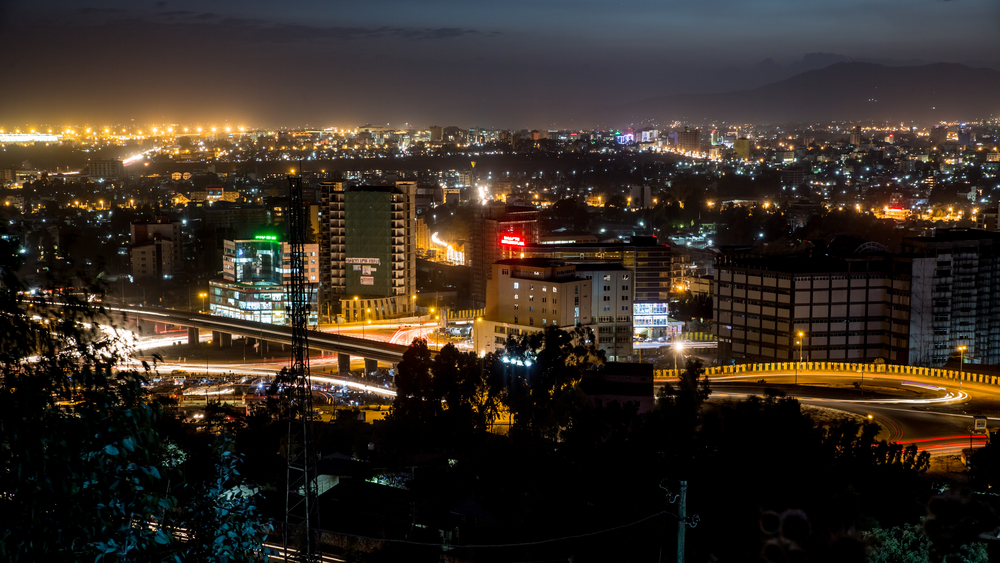
Real estate investment has been a time-tested strategy for wealth creation worldwide, and Ethiopia is no exception. As one of the fastest-growing economies in Africa, Ethiopia presents a unique landscape for those seeking to capitalize on the potential of real estate. In this blog, we will delve into the concept of real estate as an investment in Ethiopia, exploring its benefits, challenges, and the factors that make this market distinctive.
The Ethiopian Real Estate Landscape:

Ethiopia, with its rich cultural heritage, diverse landscapes, and economic growth, has witnessed a surge in real estate development in recent years. Rapid urbanization, population growth, and government initiatives have all contributed to the expansion of the real estate sector. Cities like Addis Ababa have become hubs for real estate activities, attracting both local and foreign investors.
Key Factors Driving Real Estate Investment in Ethiopia:
- Population Growth and Urbanization: Ethiopia’s population has been steadily increasing, leading to a rise in urbanization. As more people move to cities in search of employment and improved living standards, the demand for housing and commercial spaces escalates, creating opportunities for real estate investors.
- Government Initiatives: The Ethiopian government has implemented various initiatives to boost the real estate sector. Policies such as the Integrated Housing Development Program aim to address the housing shortage by promoting private and public investments in real estate.
- Economic Growth: Ethiopia has experienced impressive economic growth, attracting foreign direct investment. The growing middle class and increased disposable income contribute to the demand for better housing and commercial properties.
- Infrastructure Development: Ongoing infrastructure projects, such as road expansions and transportation improvements, enhance the overall real estate market by increasing accessibility and connectivity.
Benefits of Real Estate Investment in Ethiopia:
- Steady Appreciation: Real estate in Ethiopia has shown a tendency for steady appreciation over time, making it an attractive long-term investment. As demand outstrips supply, property values have the potential to increase, providing investors with capital gains.
- Diversification: Real estate offers investors a way to diversify their portfolios. Unlike stocks and bonds, real estate is a tangible asset that provides a hedge against market volatility.
- Rental Income: Investing in rental properties allows investors to generate a steady stream of passive income. The demand for both residential and commercial rental properties remains strong, providing landlords with a reliable income source.
Challenges in Ethiopian Real Estate Investment:
- Land Tenure System: The complex land tenure system in Ethiopia can pose challenges for investors. Understanding the regulations and securing clear land titles is crucial to avoiding legal complications.
- Infrastructure Gaps: While infrastructure development is underway, certain areas may still lack essential amenities, affecting the attractiveness of certain locations for real estate investment.
- Financing Constraints: Limited access to affordable financing options can be a hurdle for potential investors. Addressing these financing challenges is essential for the sustained growth of the real estate market.
Conclusion:
Real estate investment in Ethiopia holds immense potential for those looking to capitalize on a burgeoning market. As the government continues to implement pro-investment policies and the economy experiences sustained growth, the Ethiopian real estate sector remains a promising avenue for both local and international investors. However, navigating the unique challenges of the market, such as the land tenure system and infrastructure gaps, requires careful consideration and due diligence. With the right strategy and a long-term perspective, real estate investment in Ethiopia can be a key driver of wealth creation and financial success.