 by Enqopa Properties
Ethiopia, the cradle of civilization, boasts a rich history that’s not just etched in ancient monuments but also reflected in the evolution of its real estate landscape. From the traditional circular dwellings of yore to the modern architectural marvels gracing cityscapes, the journey of Ethiopian real estate is a compelling narrative of progress, adaptation, and resilience.
Early Glimpses: Humble Beginnings
Ethiopia’s earliest dwellings, known as tukuls, were circular, beehive-shaped structures crafted from mud and straw. These resilient abodes, often adorned with intricate patterns, blended seamlessly with the natural environment. They reflected communal living and offered protection from the elements, showcasing the ingenuity of early Ethiopian societies.

Shifting Sands: Imperial Influences and Modernization
The arrival of the Axumite Empire ushered in a new era of architectural grandeur. Stone-built structures like obelisks and temples, still standing tall today, bear witness to their advanced engineering skills. As Ethiopia interacted with foreign powers, influences from Italy and other European nations began to trickle into the architectural landscape. The Italian occupation in the early 20th century left its mark in the form of Art Deco buildings, particularly evident in Addis Ababa’s Piazza.

Post-Independence: A Nation Rebuilds
Following independence in 1941, Ethiopia embarked on a journey of reconstruction and modernization. The Derg regime, which ruled from 1974 to 1991, focused on utilitarian architecture, constructing large apartment blocks to meet the housing needs of a growing population. While these structures lacked aesthetic appeal, they played a crucial role in addressing the immediate housing crisis.
The Dawning of a New Era: Boom and Transformation
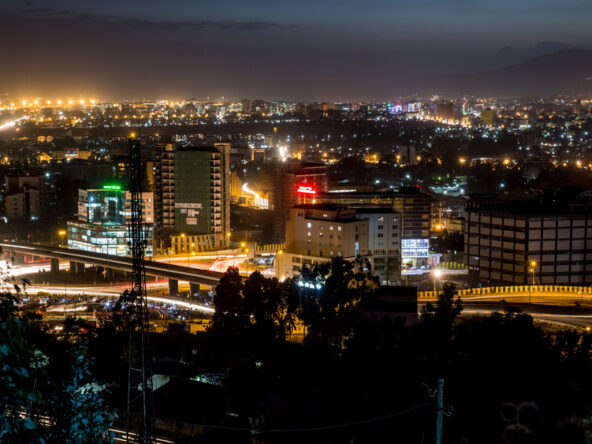
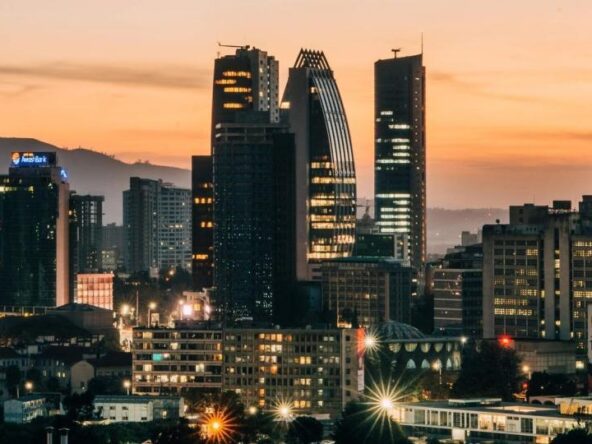
With the advent of a market-oriented economy in the 1990s, the Ethiopian real estate market witnessed a seismic shift. Private developers entered the scene, catering to a burgeoning middle class with a desire for modern living spaces. Luxury condominiums, gated communities, and shopping malls began to dot the skylines of major cities like Addis Ababa and Adama.

Beyond the Metropolis: Reaching New Horizons
The real estate revolution is not confined to urban centers. Ethiopia’s vast rural landscapes are also experiencing a transformation. Government initiatives and private investments are promoting affordable housing projects, improved infrastructure, and modern amenities in rural areas. This decentralization trend is crucial for creating a more balanced and equitable development across the nation.
Challenges and Opportunities:
Despite the remarkable progress, the Ethiopian real estate sector faces its share of challenges. Addressing the housing needs of low-income groups, ensuring sustainable development practices, and balancing modernization with cultural preservation are some of the key concerns that need to be addressed.
A Promising Future:
Ethiopia’s real estate sector, fueled by a booming population, economic growth, and increasing urbanization, holds immense potential. Embracing innovative technologies, fostering responsible development, and prioritizing inclusivity can pave the way for a vibrant and sustainable real estate landscape that caters to the needs of all Ethiopians.
Further Exploration:
- Dive deeper into the history of Ethiopian architecture: https://blog.kurby.ai/from-past-to-present-the-evolution-of-addis-ababa-ethiopias-architecture/
- Explore the nuances of the Addis Ababa property market: https://www.linkedin.com/pulse/navigating-addis-ababas-real-estate-balancing-cppbe?trk=article-ssr-frontend-pulse_more-articles_related-content-card
- Understand the challenges and opportunities in Ethiopian real estate: https://journals.sagepub.com/doi/10.1177/0096144221989975
By understanding the evolution of Ethiopian real estate, we gain a deeper appreciation for the nation’s cultural heritage, its adaptability to changing times, and its aspirations for a brighter future. As Ethiopia continues to build its cities and communities, its real estate landscape will undoubtedly evolve further, leaving behind a legacy of resilience, innovation, and progress.
I hope this blog post piques your interest in the fascinating world of Ethiopian real estate. Feel free to share your thoughts and insights in the comments below!