 by Enqopa Properties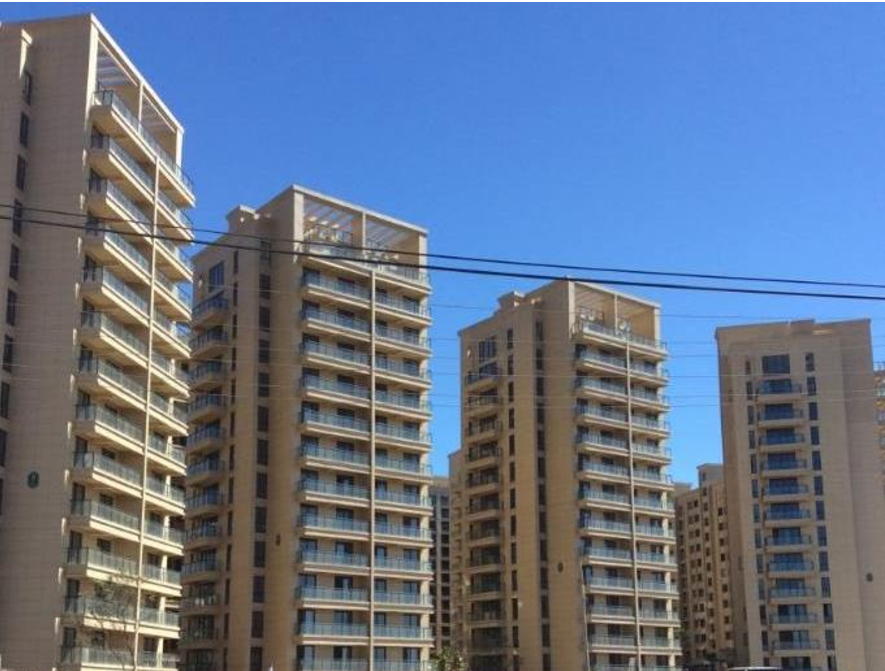
The real estate market in Ethiopia is currently in a state of flux. There is a growing demand for housing, but the supply is not keeping up. This has led to rising prices and a shortage of available properties.
The main driver of demand is the country’s rapid economic growth. The Ethiopian economy has been growing at an average rate of 10% per year for the past decade. This has led to an increase in disposable income and a growing middle class. As a result, more people are able to afford to buy their own homes.
The supply of housing is not keeping up with demand for a number of reasons. One reason is that the construction industry is underdeveloped. There is a shortage of skilled workers and materials, which makes it difficult and expensive to build new homes. Another reason is that the government has not done enough to provide affordable housing for low-income earners.
The rising prices and shortage of available properties have made it difficult for many people to buy a home. This has led to an increase in the number of people renting homes. The rental market is also becoming increasingly competitive, as more and more people are looking for places to live.
The future of the real estate market in Ethiopia is uncertain. The government has announced plans to build 1 million new homes over the next five years. If this plan is successful, it could help to ease the shortage of housing and bring down prices. However, it is too early to say whether this will happen.
In the meantime, the real estate market in Ethiopia is likely to remain volatile. Buyers and sellers should be prepared for fluctuations in prices and availability.
Here are some additional things to keep in mind about the real estate market in Ethiopia:
- The government is planning to introduce a new property tax system. This could have a significant impact on the market, so it is important to stay up-to-date on the latest developments.
- The country is facing a number of economic challenges, including inflation and a shortage of foreign currency. These challenges could also impact the real estate market.
- The real estate market in Ethiopia is still relatively undeveloped. This means that there is a lack of transparency and regulation. Buyers should be aware of these risks before investing in property in the country.
Despite the challenges, the real estate market in Ethiopia has the potential to grow significantly in the coming years. The country is experiencing rapid economic growth and a growing middle class. This is creating a demand for housing that is not being met by the current supply. If the government is able to address the challenges facing the market, it could become a major destination for foreign investment.